

Menu

Have you picked up a few DBT skills over the years, but without fully understanding what makes this way of working so different and powerful? Research has shown DBT is highly effective with high-risk clients who present with a range of complex problems. Because it integrates techniques from other popular approaches, many DBT strategies can be woven into clinical frameworks and methods you're already comfortable using. In this workshop, you’ll learn the nuts and bolts of structuring an individual DBT session to help foster change for even the most complicated clients. You’ll explore:
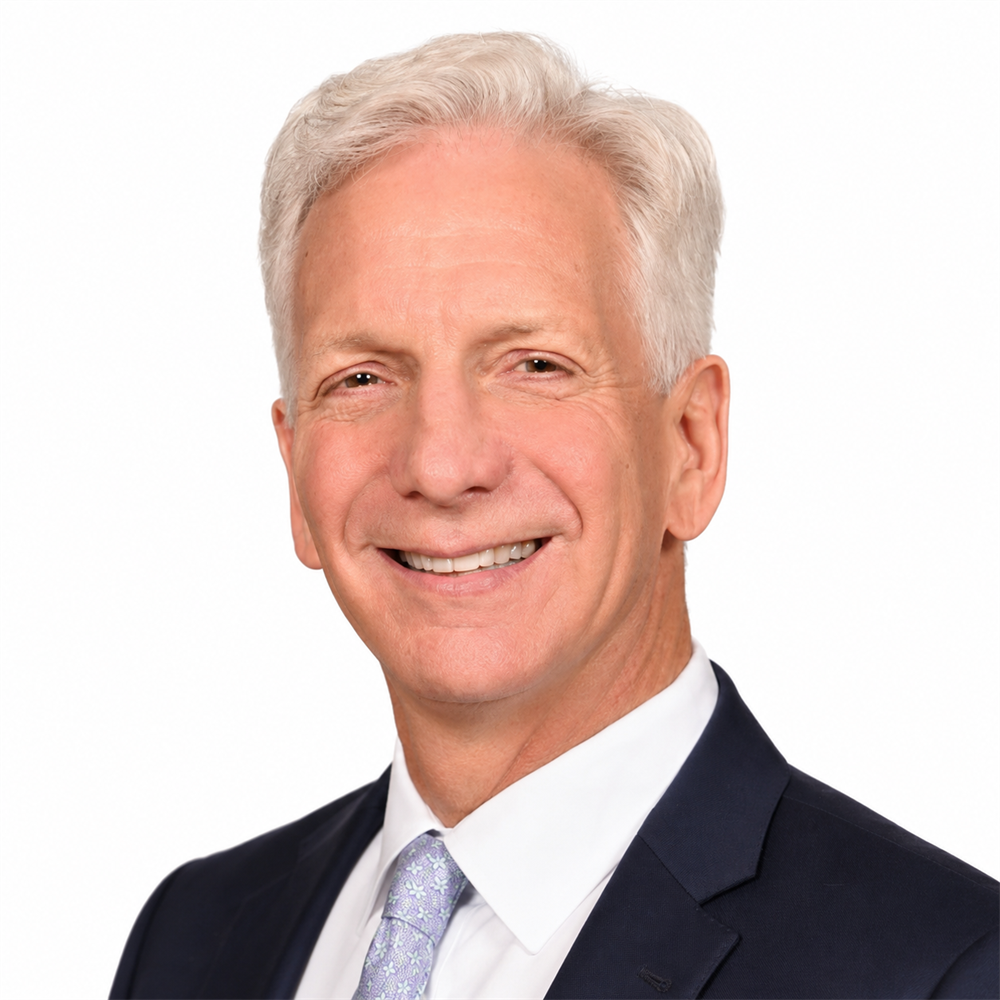
Britt Rathbone, MSSW, LCSW-C, is a nationally recognized clinician, trainer, author, and practice leader specializing in the treatment of adolescents and their families. Since 1985, he has worked with young people experiencing complex, challenging, and difficult-to-treat mental health concerns. He is the founder and director of Capital Youth Services in Bethesda, Maryland, where he leads a multidisciplinary clinical practice grounded in evidence-based care.
Mr. Rathbone has taught graduate-level social work students and provides training to mental health professionals on dialectical behavior therapy, adolescent engagement, and effective treatment for complex clinical presentations. Washingtonian magazine has repeatedly recognized him as one of the Washington, DC, area’s top therapists for adolescents and group therapy. Known for his engaging and practical teaching style, his trainings consistently receive excellent evaluations.
He is the coauthor of Dialectical Behavior Therapy for At-Risk Adolescents, What Works with Teens: A Professional’s Guide to Engaging Authentically with Adolescents to Achieve Lasting Change, and Parenting a Teen Who Has Intense Emotions.
Speaker Disclosures:
Financial: Britt Rathbone is the founder and director of Capital youth Services dba Rathbone & Associates, the director of Washington Center for Mental Health Training, and a faculty member at the University of Maryland School of Social Work. He receives royalties as a published author. He receives a speaking honorarium, product, and book royalties from Psychotherapy Networker and PESI, Inc.
Non-financial: Britt Rathbone is a volunteer for DBT- Linehan Board of Certification. He is a member of the Greater Washington Society for Clinical Social Work and the National Association of Social Workers.
Access never expires for this product.
For a more detailed outline that includes times or durations of time, if needed, please contact cepesi@pesi.com.
Visit our FAQ page at www.pesi.com/faq or contact us at www.pesi.com/info
Please wait ...
